
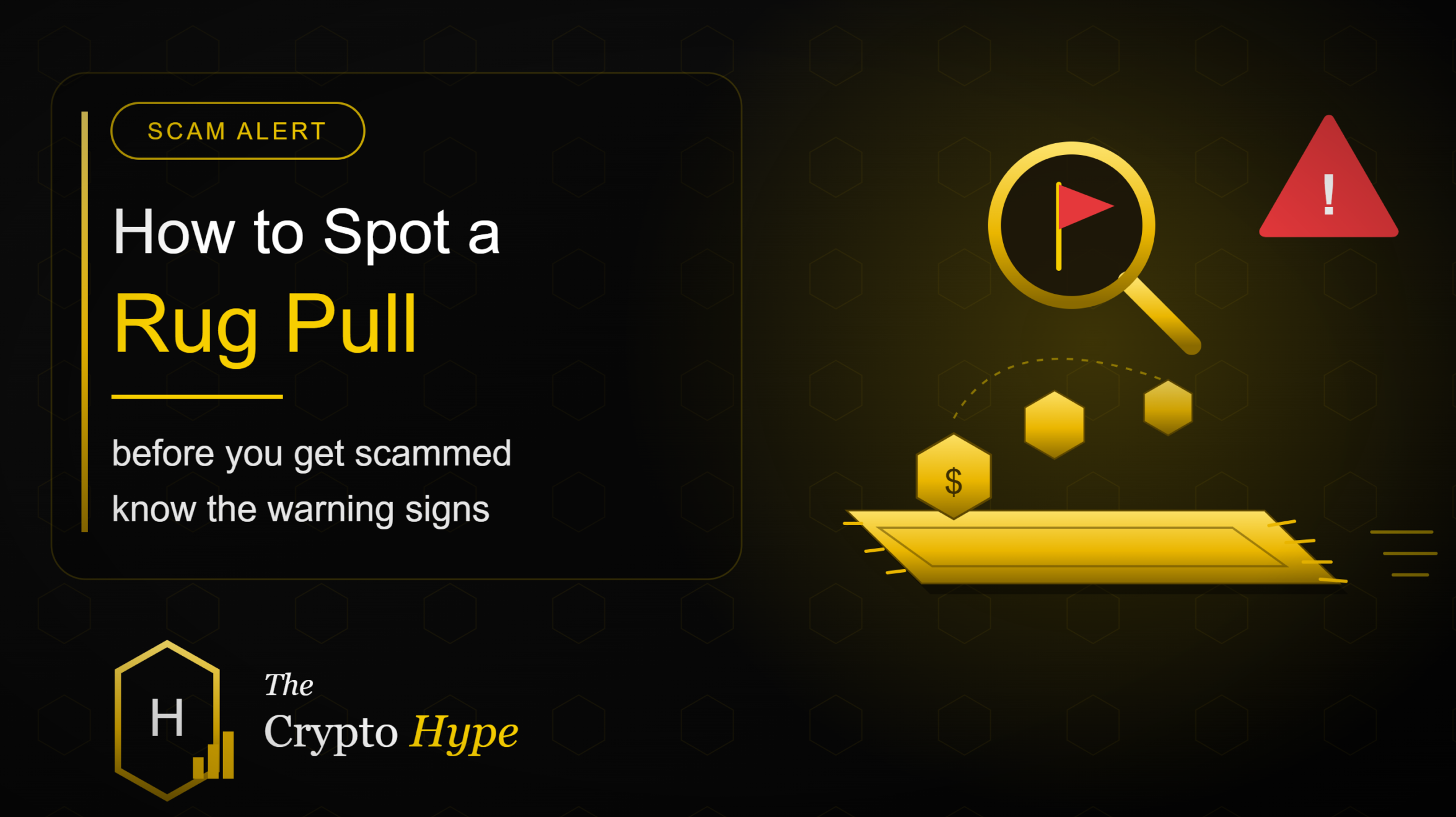
Crypto rug pull refers to a fraud scheme where developers or insiders take drastic measures such as pulling out liquidity or selling their assets once the investments have been made in a cryptocurrency project. This leads to a sudden fall in value that makes it impossible for users to sell or get their money back.
Such cases occur frequently in new and highly speculative crypto projects where enthusiasm outpaces thorough analysis. Though there is no foolproof list that can ensure a particular project’s safety, it is possible to know the telltale signs of such projects by learning about common scams.
What Is a Crypto Rug Pull?
This is a situation whereby individuals involved in a cryptocurrency project take advantage of the investors’ faith by draining resources from the system.
This can be illustrated with the development of a new token that is being sold aggressively with the aim of encouraging people to purchase it.
Once sufficient resources have been infused into the project, the parties involved can drain the resources, or sell off a big part of their tokens.
Rug pulls can happen in various ways; therefore, investors need to investigate the token, contract structure, liquidity, and the team behind it.
1. Research the team behind the project
Start by investigating who created the project.
Check whether the team members have verifiable identities, relevant experience, and a history of involvement in legitimate blockchain projects. Anonymous teams are not automatically fraudulent, since some legitimate crypto projects use pseudonymous contributors. However, anonymity can make accountability more difficult.
Be cautious when a project makes major claims about its founders but provides little verifiable information.
Look for:
- Verifiable professional profiles
- Previous blockchain projects
- Public developer activity
- Consistent project history
- Independent references to the team
Avoid relying solely on information published by the project’s own social media accounts.
2. Examine the token distribution
Tokenomics can reveal how much control insiders have over a project.
Check how many tokens are allocated to founders, developers, investors, advisors, and the community. A project where a small number of wallets control a large percentage of the circulating supply can face significant selling or governance risks.
Blockchain explorers can help you examine wallet balances and token transfers.
Pay particular attention to unusually concentrated holdings and large transfers involving wallets connected to the project.
3. Check the liquidity
The liquidity factor shows whether users are able to sell or purchase the token without influencing its price.
It is quite possible that a token has a big market cap while having small liquidity.
In case the liquidity can be taken away from the users at will without any consequences, there is an increased risk of a rug pull for the investors.
See if the liquidity is locked, for how long and who controls it.
The liquidity lock helps to minimize some risks, but does not guarantee the legitimacy of the project.
4. Read the smart contract
The token’s smart contract can contain functions that affect how users interact with it.
If you understand Solidity or blockchain development, review the contract yourself. Otherwise, look for reputable independent audits and technical analyses.
Potential warning signs can include functions that allow specific wallets to:
- Mint large quantities of tokens
- Freeze or restrict transactions
- Change transaction fees unexpectedly
- Prevent certain addresses from selling
- Modify important contract settings
- Transfer tokens without normal restrictions
Contract ownership and administrative permissions should also be examined.
An audit can identify certain technical vulnerabilities, but an audit does not guarantee that a project is honest or financially safe.
5. Test whether you can sell
One of the most important checks is whether the token can actually be sold.
Some malicious tokens use mechanisms that allow purchases but restrict or prevent selling. These are sometimes referred to as honeypot scams.
Before committing significant funds, investigate whether ordinary users can successfully sell the token.
Blockchain transaction data, contract analysis tools, and independent security platforms can help identify unusual trading restrictions.
Never assume that because a token is available on a decentralized exchange, it can automatically be sold normally.
6. Be careful with unrealistic returns
Promises for guaranteed profits, huge gains, or easy passive income need to be considered carefully.
The crypto market is quite unstable, and a good project cannot promise you any particular returns from the investments.
Scammers can use the following phrases: “risk free,” “guaranteed returns,” or “100 times your money.” In order to make people invest without doing any research about the project.
Do not look at the return that is promised, but at the way of making profit for the project.
7. Look beyond social media hype
A large social media following does not prove that a crypto project is legitimate.
Scammers can purchase followers, use automated accounts, coordinate promotional campaigns, or pay influencers to create the appearance of widespread adoption.
Look at the quality of the community rather than simply counting followers.
Ask:
- Are technical questions answered clearly?
- Does the team discuss risks?
- Is development actually happening?
- Are announcements supported by verifiable evidence?
- Does the community consist mainly of promotional messages?
Independent discussion and criticism can sometimes reveal issues that promotional channels ignore.
8. Watch for Sudden Changes
Rug pulls do not always happen immediately after launch.
Monitor the project for unusual changes in token supply, wallet activity, liquidity, ownership permissions, or developer behavior.
Large unexplained transfers from team-associated wallets can be particularly important.
If the project suddenly changes its tokenomics, introduces unexpected fees, or becomes unusually aggressive about encouraging investors to buy, reassess the situation before putting in additional funds.
9. Never Skip DYOR
“DO YOUR OWN RESEARCH” (“DYOR”) is a familiar term in crypto for a reason.
Never invest based on the advice of a friend, influencer, Telegram group, or social media account in relation to some token.
Verify the project’s team, smart contract, tokenomics, liquidity, trading volume, documentation, and development track record independently prior to investing.
Above all else, only invest money that you can afford to lose.
What to do If you suspect a Rug Pull
However, if you have identified some warning signs after making an investment, do not invest more funds in order to get back the funds initially invested.
Record wallet addresses, transaction IDs, communications from the project and details about contracts. If your funds have already been stolen, inform the authorities or relevant security services.
Be cautious about any offer to help you recover your crypto in return for a fee. Many recovery scams prey on people who have already lost their money.
What is the biggest indicator of a rug pull?
There is no specific indicator that confirms that a project is a rug pull. The accumulation of tokens, the lack of liquidity, questionable contract permissions, restrictions for sale, and unreasonable guarantees become more dangerous if many are found at once.
Can an audited crypto project be a rug pull?
Yes, the smart contract auditing only confirms the correctness of technical aspects of the analyzed smart contract and scope. This type of audit does not confirm the credibility of the team, the sustainability of the project, and security of the investment.
Will locked liquidity stop a rug pull?
The locking of liquidity helps prevent some types of rug pull using liquidity during the locking period. However, other developers may find other means of exploiting the contract, changing token supply, or just leave the project.
How can I check crypto token before purchasing?
First, try to look through the history of development of the project. The following aspects should be considered: the team of the project, project website, contract of the project, token distribution, wallets’ activities, liquidity, trading conditions, and history of development of the project.