

Blockchain technology is continuously advancing, and various ways of improving the safety, scalability and efficiency of cryptocurrency networks are emerging every day. One of the most common mechanisms used is the Proof of Stake (PoS).
Several cryptocurrency networks today operate using Proof of Stake to validate transactions and ensure their safety. Proof of Stake is the consensus mechanism that helps blockchain networks validate transactions and add new blocks in the blockchain.
It is important to know that consensus mechanism means a particular way that enables several computers on the network to reach a consensus concerning the validation of transactions in the absence of a central authority.
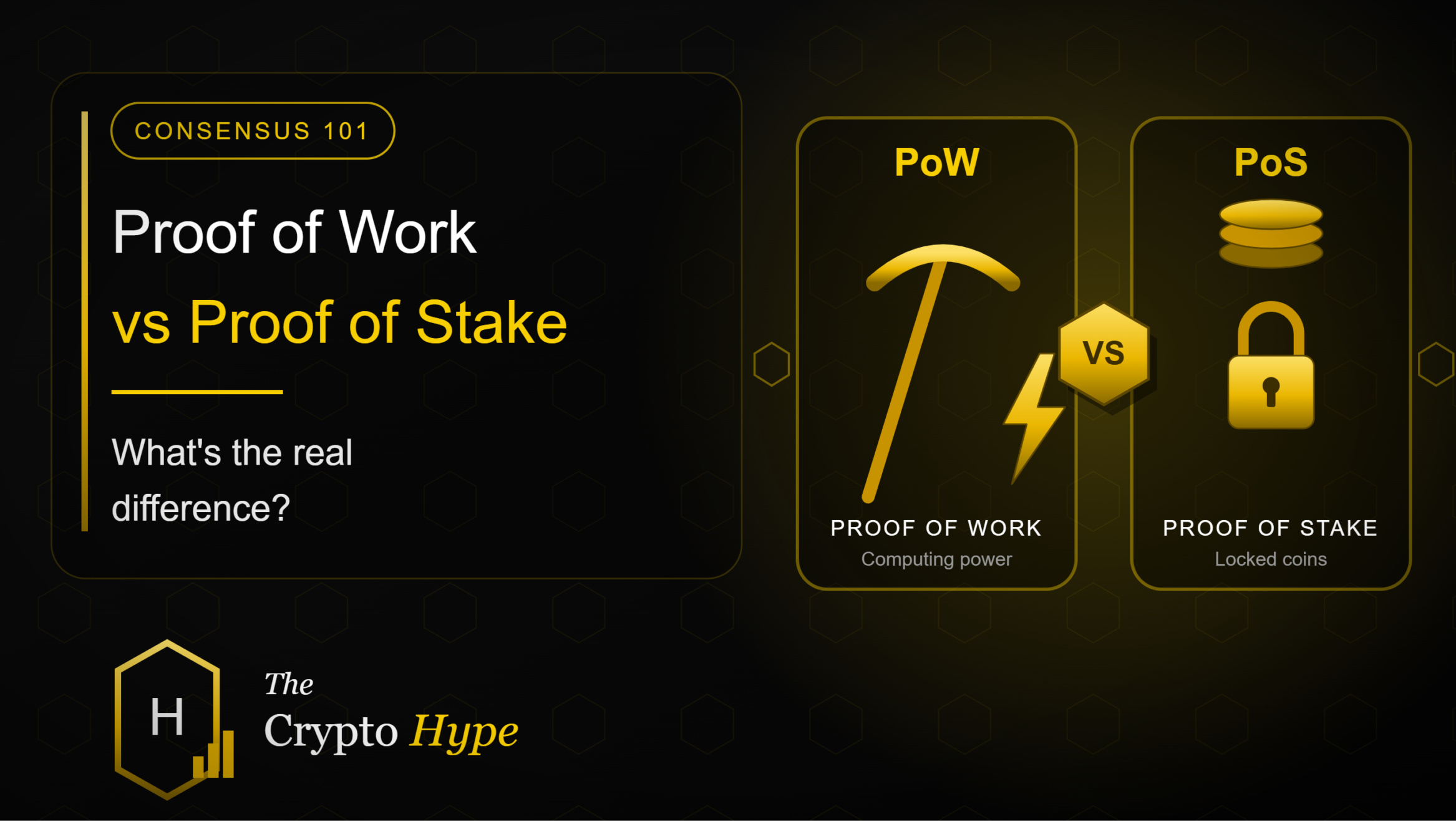
In contrast to Proof of Work (PoW) where mining nodes compete to solve complex algorithms, Proof of Stake selects validators based on the quantity of cryptocurrency that users have “staked”.
When users stake a certain quantity of cryptocurrency in the network, the network then selects validators to validate the transaction and add new blocks to the blockchain.
How does the POS mechanism work?
- Stake Cryptocurrency: Participants lock a specific amount of cryptocurrency in the network. This is called staking.
- Participants become Validators: The network selects validators from those who have staked their coins. The selection process varies between blockchains but often considers the amount staked and other factors.
- They start to validate transactions: The chosen validators verify transactions and propose new blocks to be added to the blockchain.
- They earn rewards: Validators receive rewards, usually in the form of cryptocurrency, for helping secure the network.
- Risk of Penalties: If a validator acts dishonestly or attempts to manipulate the network, a portion of their staked funds may be taken away through a process called “slashing.”
Why Was Proof of Stake Created?
Proof of Stake was created to counter some issues with Proof of Work. Conventional mining is associated with the need for high amounts of computational power and energy consumption. When the popularity of blockchain grew, the problem of energy consumption became obvious.
Proof of Stake makes energy-consuming mining hardware unnecessary. As the process of validation does not depend on the computational power, but the stake, the system consumes much less energy.
Benefits of Proof of Stake
- It uses low energy: One of the biggest advantages of PoS is its low energy consumption. Validators do not need powerful mining machines, making the network more environmentally friendly.
- It has a lower bar for entry: Users can participate in securing the network by staking cryptocurrency instead of purchasing expensive mining hardware.
- It improves transaction efficiency: PoS systems can often process transactions more efficiently, helping blockchain networks handle larger numbers of users.
- It has enhanced security incentives: Validators have their own funds at risk. This encourages honest behavior because malicious actions could result in financial penalties.
Risks and Challenges of Proof of Stake
While PoS offers many advantages, it is not without challenges.
1. Wealth Concentration: Users with larger holdings may have a higher chance of being selected as validators, potentially giving them more influence over the network.
2. Lock-Up Periods: Staked assets are often locked for a certain period, limiting immediate access to funds.
3. Slashing Risks: Validators who fail to follow network rules may lose a portion of their staked assets.
4. Technical Requirements: Running a validator node may require technical knowledge and consistent internet connectivity.
Proof of Stake vs. Proof of Work
The primary difference between PoS and PoW lies in how network participants are chosen to validate transactions. Proof of Work relies on computational power and mining. Whereas Proof of Stake relies on cryptocurrency holdings and staking.
PoS is generally considered more energy-efficient, while PoW has historically been praised for its battle-tested security model.
The concept of Proof of Stake has turned out to be one of the greatest inventions related to blockchain. By switching from energy-consuming mining to staking, Proof of Stake provides a much better solution for securing decentralized platforms.
In the course of the further growth and development of the cryptocurrency industry, Proof of Stake will certainly take a prominent position in the sphere. Knowledge about Proof of Stake can be useful for making the right decisions while dealing with cryptocurrencies.